
Dry-type Transformer
Main Features
High Safety and Environmental Compatibility
Utilizes air or epoxy resin as insulation, eliminating flammable oil, making it fire-resistant, explosion-proof, and pollution-free, ideal for safety-critical and eco-sensitive environments.
Low Maintenance and High Reliability
Requires no oil monitoring or handling; features moisture-resistant and aging-resistant insulation, ensuring stable operation with minimal upkeep.
Flexible Adaptation to Diverse Environments
Suitable for a wide range of settings including high-rise buildings, hospitals, subways, chemical plants, and cleanrooms, offering versatile installation with low site requirements.
Transformers are core equipment in power systems. Based on the principle of electromagnetic induction, they realize the increase (step-up) or decrease (step-down) of AC voltage, ensuring the long-distance transmission of electrical energy and the safe use of terminal equipment.
According to voltage level, phase number, cooling method, application, structural characteristics, etc., power transformers can be classified into various types, structures, and specifications, such as oil-immersed/dry-type transformers, step-up/step-down transformers, single-phase/three-phase transformers, and pad-mounted substations.
Based on user requirements, we can provide cost-effective solutions for the transformers.
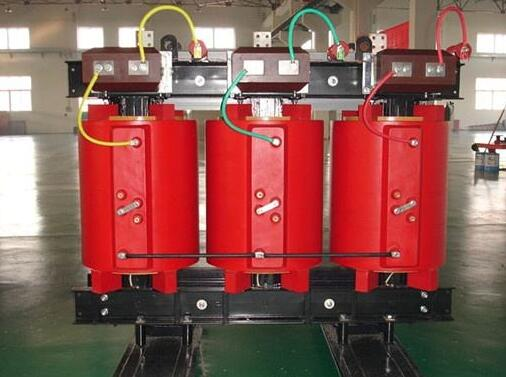
A Dry-type Transformer is a type of power transformer that uses air or inert gas as the insulation and heat dissipation medium, with its core and windings not immersed in insulating oil (unlike oil-immersed transformers).
The windings are typically encapsulated in epoxy resin or coated with insulating materials to ensure electrical insulation and mechanical strength.
It realizes safe and efficient AC voltage conversion based on the principle of electromagnetic induction, and is widely used in scenarios with high safety and environmental requirements due to its flame-retardant, explosion-proof, and pollution-free characteristics. For instance, crowded areas or venues with high fire safety requirements such as high-rise buildings, shopping malls, hospitals, subways, and airports; flammable and explosive environments including chemical parks, coal mines, and oil depots; as well as clean environments like electronic factories and precision instrument workshops.